Activity Directors: Salah Zein El Dine, MD; Marie Aouad-Maroun, MD; Fatima Msheik-El Khoury, PhD
Measuring the Mind at Work: Strategies for Assessing Clinical Reasoning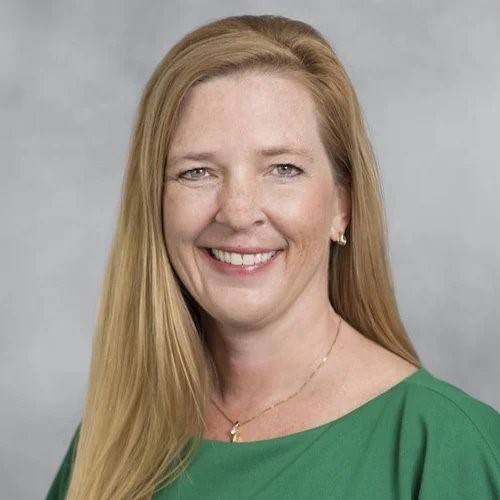
Sep 29th, 2026, 6 pm Beirut time (WebEx)
Speaker: Michelle Daniel, MD, MHPE, FACEP. Vice Dean for Medical Education. Professor of Clinical Emergency Medicine, University of California, San Diego School of Medicine, USA
Discussant: Marie Aouad-Maroun, MD. Professor and Chair of Anesthesiology. American University of Beirut Faculty of Medicine
Format: Skill-building presentation (60 min)
Objectives: At the end of this session, attendees will be able to: 1. Describe the three major categories of clinical reasoning assessment methods - non-workplace-based assessments, assessments in simulated clinical environments, and workplace-based assessments 2. Analyze the strengths and limitations of representative methods within each category in terms of validity, reliability, and alignment with components of the clinical reasoning process 3. Critically evaluate how different assessment methods capture distinct components of clinical reasoning and propose strategies to address underassessed domains in a program of assessment.
Associated Clinician-Educator Milestone(s): Learner Assessment 3: Assessment Methods and Tools; Educational Theory and Practice 1: Teaching and Facilitating Learning
From Knowledge to Compassion: Teaching Learners to Navigate Difficult Conversations 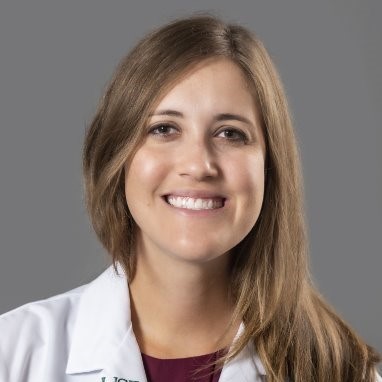
June 30th 2026, 6pm (WebEx)
Speaker: Jennifer Costa, MD. Assistant Professor, Department of Family Medicine, University of South Florida, USA
Discussant: Christian Rouphael, MD. Assistant Professor of Medicine. American University of Beirut Faculty of Medicine
Format: Skill-building presentation
Objectives: At the end of this session, attendees will be able to: 1. Identify common barriers learners face in difficult conversations with patients, families, and colleagues 2. Compare evidence-based frameworks for structuring difficult healthcare conversations 3. Apply teaching strategies (observation, role modeling, coaching, feedback) to build learners' skills 4. Assess learners' performance during difficult conversations using structured tools and direct observation 5. Create a teaching plan to integrate difficult-conversation training into learners' educational setting.
Associated Clinician-Educator Milestone(s): Administration and Leadership 1: Leadership Skills; Coaching and Mentoring 1: Coaching and Advising Skills
Recording link
Password: cHmt323?
Artificial Intelligence in Health Professions Education Assessment
April 28th 2026, 6pm (WebEx)
Speaker: Ken Masters, PhD, FDE. Associate Professor of Medical Informatics, Medical Education & Informatics Department, College of Medicine & Health Sciences, Sultan Qaboos University, Oman
Discussant: Rami Mahfouz, MD. Professor of Laboratory Medicine. American University of Beirut Faculty of Medicine
Format: Skill-building presentation (60 min)
Objectives: At the end of the session, participants will be able to: 1. Identify some of the potential assessment opportunities introduced by AI 2. Identify some of the potential assessment problems introduced by AI 3. Use some basic AI tools and strategies to assist in creating assessments
Associated Clinician-Educator Milestone(s): Learner Assessment 3: Assessment Methods and Tools; Educational Theory and Practice 1: Teaching and Facilitating Learning
Recording link
Password: SxnTMu$3
Leveraging Effective Feedback Conversations in Clinical Settings
April 21st 2026, 6pm (WebEx)
Speaker: Rola Ajjawi, PhD. Scientist, Centre for Health Education Scholarship. Professor, Department of Surgery, Faculty of Medicine, University of British Columbia, Canada
Discussant: Wajiha Jurdi Kheir, MD. Associate Professor of Ophthalmology. American University of Beirut Faculty of Medicine
Format: Skill-building presentation (60 min)
Objectives: At the end of this session, attendees will be able to: 1. Identify the components of a strong educational alliance 2. Describe strategies for promoting a productive feedback culture
Associated Clinician-Educator Milestone(s): Feedback 1: Providing Actionable Feedback; Educational Theory and Practice 1: Teaching and Facilitating Learning
Recording link
Password: QeeBUt$2
How to Develop Mini-MedEd Scholarship Products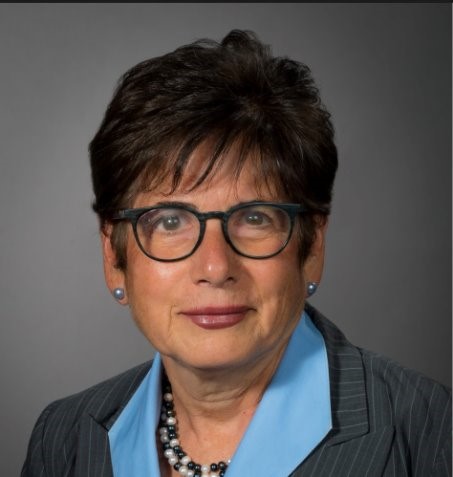
February 24th 2026, 6pm (WebEx)
Speaker: Alice Fornari, EdD, FAMEE, RDN, HEC-C, ACC/ICF. Professor of Science Education, Occupational Health & Family Medicine. Associate Dean, Educational Skills Development, Zucker School of Medicine at Hofstra/Northwell. Vice President, Faculty Development, Northwell Health, USA
Co-Speaker: Melissa Affa, Project Manager, Office of Academic Affairs, Northwell Health, Creative Instructional Designer, JiTT Infographics App
Discussant: Nathalie Khoueiry-Zgheib, MD. Professor of Pharmacology. American University of Beirut Faculty of Medicine
Format: Skill-building presentation (60 min)
Objectives: At the end of this session, attendees will be able to: 1. Define mini-scholarship 2. Outline a process to develop mini-scholarship 3. Investigate how to disseminate mini scholarship
Associated Clinician-Educator Milestone(s): Educational Scholarship 3: Dissemination of Scholarly Work; Educational Theory and Practice 8: Science of Learning
Creating a Trusted Data Driven Approach to Addressing Learner Mistreatment
February 17th 2026, 6pm (WebEx)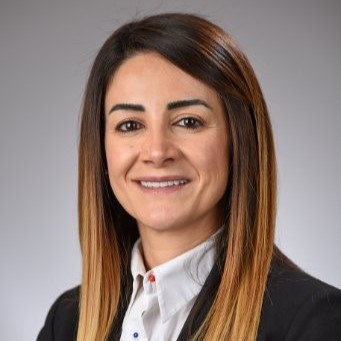
Speaker: Zeina M. Nabhan, MD, FAAP. Associate Dean, Graduate Medical Education. Professor of Clinical Pediatrics, Division of Pediatric Endocrinology/Diabetology, Indiana University School of Medicine, USA
Discussant: Marianne Majdalani, MD. Professor of Pediatrics. American University of Beirut Faculty of Medicine
Format: Skill-building presentation (60 min)
Objectives: At the end of this session, attendees will be able to 1. Recognize mistreatment behaviors in the clinical learning environment 2. Describe the mistreatment prevention and response system at the largest medical school in the U.S. 3. Assess ways to improve and sustain the mistreatment system at their home institution
Associated Clinician-Educator Milestone(s): Diversity, Equity, and Inclusion 2: Promoting an Inclusive Learning Environment; Administration and Leadership 3: Addressing Learning Environment Challenges
Recording link
Password: iHdmk3s@
Professional Identity Formation of our Learners: Our Role as Educators
January 27th 2026, 6pm (WebEx)
Speaker: Mona Osman, MD, MEd, MBA. Assistant Professor of Family Medicine, Department of Family Medicine. Medical Director, Family Medicine Clinics. Director, University Health Services. Director, Fellowship in Primary Care Sports Medicine, Faculty of Medicine, American University of Beirut, Lebanon
Format: Skill-building presentation (60 min)
Discussant: Alain Abi Ghanem, MD. Assistant Professor of Diagnostic Radiology. American University of Beirut Faculty of Medicine
Objectives: At the end of the session, attendees will be able to: 1. Define professional identity formation, 2. Describe how professional identity develops across the continuum from medical student to resident, including key influencing factors, 3. Identify educator behaviors and learning environments that positively or negatively shape learners' professional identity, 4. Describe the role of educators in supporting professional identity formation, 5. Integrate professional identity formation into their educational practice.
Associated Clinician-Educator Milestone(s): Educational Theory and Practice 1: Teaching and Facilitating Learning; Diversity, Equity, and Inclusion 2: Promoting an Inclusive Learning Environment
Recording link
Password: xWw84aJ?
How to Coach and Develop Master Adaptive Learners in GME?
January 20th 2026, 6pm (WebEx)
Speaker: Maya Hammoud, MD, MBA. Professor & Chief, Division of Women's Health. Director, Program on Research, Innovation, and Development in Education. Professor of Obstetrics & Gynecology and Learning Health Sciences, University of Michigan Medical School, USA
Discussant: Eveline Hitti, MD, MBA. Chair and Professor of Emergency Medicine. American University of Beirut Faculty of Medicine
Format: Skill-building presentation (60 min)
Objectives: At the end of the session, attendees will be able to: 1. Distinguish coaching from advising and mentoring, 2. Apply practical coaching techniques to help residents recognize learning gaps and adapt in real-time clinical settings, 3. Integrate coaching into routine GME activities to promote residents’ self-directed learning adaptive expertise.
Associated Clinician-Educator Milestone(s): Coaching and Mentoring 1: Coaching and Advising Skills; Educational Theory and Practice 1: Teaching and Facilitating Learning
Qualitative Research in Surgical Education
December 16th 2025, 6pm (WebEx)
Speaker: Gurjit Sandhu, PhD. Professor, Departments of Surgery & Learning Health Sciences. Director, Center for Surgical Training and Research. Director, ASE Surgical Education Research Fellowship. UM-Trained Executive Coach, University of Michigan Health System, USA
Discussant: Mustapha Lakkis, MD. Assistant Professor of Surgery. American University of Beirut Faculty of Medicine
Format: Skill-building workshop (90 min)
Objectives: At the end of the session, attendees will be able to: 1. Explore uses of qualitative research in health sciences 2. Identify qualitative research methods, including observations, interviewing, and focus groups 3. Discuss criteria for judging quality and credibility of qualitative research
Associated Clinician-Educator Milestone(s): Educational Scholarship 2: Research Design and Implementation; Educational Theory and Practice 8: Science of Learning
Recording link
Password: iWW4zPp$
AI Tools for Clinicians-Educators: Let's Get Started!
December 9th 2025, 6pm (WebEx)
Speaker: Jumana Antoun, MD, PhD, CPHIMS. Professor of Clinical Specialty, Department of Family Medicine, Faculty of Medicine, American University of Beirut, Lebanon
Discussant: Bassem Safadi, MD. Professor of Surgery. American University of Beirut Faculty of Medicine
Format: Skill-building presentation (90 min)
Objectives: At the end of the session, attendees will be able to: 1. Identify and explain categories of AI tools relevant to clinical practice and medical education, including their benefits and limitations 2. Apply and analyze selected AI platforms to generate clinical and educational outputs, and critique them for accuracy, bias, and appropriateness
Associated Clinician-Educator Milestone(s): Educational Theory and Practice 1: Teaching and Facilitating Learning; Learner Assessment 3: Assessment Methods and Tools
Recording link
Password: Vpgb6cJ?
The Other Side of Leadership: Understanding Followership in Academic Medicine
November 25th 2025, 6pm (WebEx)
Speaker: Zeina Kanafani, MD . Tenured Professor of Medicine, Division of Infectious Diseases, Hospital Epidemiologist, Department of Internal Medicine. Associate Dean for Medical Student Affairs, Faculty of Medicine, American University of Beirut, Lebanon
Discussant: Nadine Yazbeck, MD. Associate Professor of Pediatrics. American University of Beirut Faculty of Medicine
Format: Skill-building presentation (60 min)
Objectives: At the end of the session, attendees will be able to: 1. Define the concept of followership and explain its relevance within healthcare teams and academic medicine 2. Differentiate among followership styles using established models, recognizing how these styles impact team dynamics and leadership effectiveness 3. Apply principles of effective followership to enhance collaboration, accountability, and leadership development in both medical education and clinical practice
Associated Clinician-Educator Milestone(s): Administration and Leadership 1: Leadership Skills; Diversity, Equity, and Inclusion 2: Promoting an Inclusive Learning Environment
Recording link
Password: Fg743Eb@
Best Practices in Constructing Multiple Mini-Interviews as an Admissions OSCE for Residency Programs
November 18th 2025, 6pm (WebEx)
Speaker: Kevin Eva, PhD, Hon. FAcadMEd, FSACME. Professor & Director, Education Research and Scholarship, Department of Medicine, University of British Columbia. Associate Director & Scientist, Centre for Health Education Scholarship. Editor-in-Chief, Medical Education, Canada
Discussant: Sahar Siddik-Sayyid, MD. Professor of Anesthesiology. American University of Beirut Faculty of Medicine
Format: Skill-building workshop (90 min)
Objectives: At the end of this session, attendees will be able to: 1. Discuss the evidence base pertaining to the use of Multiple Mini-Interviews in selecting trainees 2. Understand best practices for designing MMIs
Associated Clinician-Educator Milestone(s): Learner Assessment 3: Assessment Methods and Tools; Educational Theory and Practice 1: Teaching and Facilitating Learning
Improving the Quality of Feedback in Medical Education
October 28th 2025, 6pm (WebEx)
Speaker: Jennifer Kogan, MD. Vice Dean for Undergraduate Medical Education. Professor, Perelman School of Medicine, University of Pennsylvania, USA.
Discussant: Fadi Haddad, MD. Professor of Surgery. American University of Beirut Faculty of Medicine.
Format: Skill-building workshop (90 min)
Objectives: At the end of this session, participants will be able to: 1. Describe approaches for setting the stage for feedback 2. List characteristics of effective feedback 3. Explain strategies for giving feedback in challenging situations
Associated Clinician-Educator Milestone(s): Feedback 1: Providing Actionable Feedback; Educational Theory and Practice 1: Teaching and Facilitating Learning
Recording link
Password: eMNc5sH*
Clinical Reasoning - Navigating Clinical Care with a Trainee
October 21st 2025, 6pm (WebEx)
Speaker: Rabih Geha, MD. Associate Professor of Medicine. Director of Education, Emergency Department, University of California San Francisco. Co-Founder, The Clinical Problem Solvers, USA
Co-speaker: Youssef Saklawi, MD. Assistant Professor of Medicine. Emory University School of Medicine, USA
Discussant: Afif Mufarrij, MD. Associate Professor of Emergency Medicine. Program Director. American University of Beirut Faculty of Medicine
Format: Skill-building presentation (90 min)
Objectives: At the end of the session, attendees will be able to: 1. Showcase the principles of clinical reasoning by virtue of a clinical unknown case. 2. Demonstrate the attending-resident dynamic and principles for effective teaching of clinical reasoning 3. Perform a cognitive autopsy of a clinical unknown case
Associated Clinician-Educator Milestone(s): Educational Theory and Practice 1: Teaching and Facilitating Learning; Learner Assessment 3: Assessment Methods and Tools
Recording link
Password: Rm2hQa8*
Lies, Damned Lies, and Surveys: Designing Better Surveys for Education and Research 
September 30th 2025, 6pm (WebEx)
Speaker: Anthony R. Artino, Jr., PhD. Professor & Associate Dean for Educational Research. Co-Director, Academy of Education Scholars, School of Medicine & Health Sciences, The George Washington University, USA.
Discussant: Jumana Antoun, MD, PhD, Msc. Professor of Family Medicine. American University of Beirut Faculty of Medicine.
: Skill-building presentation (60 min)
Objectives: At the end of this lecture, attendees will be able to: 1. Recognize the elements of a survey 2. Describe how cognitive processes and motivation guide the way people understand and respond to survey questions 3. Learn how to identify poorly written survey items and other design pitfalls 4. State several design principles 5. Discuss expert reviews and cognitive interviews
Associated Clinician-Educator Milestone(s): Educational Scholarship 2: Research Design and Implementation; Educational Theory and Practice 8: Science of Learning
Recording link
Password: CjFH6U8@
Simulation in Medical Education
September 23rd 2025, 6pm (WebEx)
Speaker: Rana Charara-Chami, MD, FAAP. Associate Professor of Medical Education, University of Virginia. Section Chief, Pediatric Critical Care, Inova Children's Hospital. Director, Pediatric Critical Care Medicine Fellowship Program. President, International Pediatric Simulation Society, USA.
Discussant: Carine Zeeni, MD. Associate Professor of Anesthesiology. American University of Beirut Faculty of Medicine.
Format: Skill-building presentation (60 min)
Objectives: At the end of this session, attendees will be able to: 1. Understand the principles of simulation in medical education 2. Understand the characteristics of a high-functioning simulation program 3. Discuss assessment in simulation-based education
Associated Clinician-Educator Milestone(s): Educational Theory and Practice 1: Teaching and Facilitating Learning; Learner Assessment 3: Assessment Methods and Tools
Recording link
Password: jJVFiR*6
 Safe Spaces, Brave Learners, and What Else?
 Promoting Psychological Safety in Clinical Learning Environments
June 26th 2025, 7pm (WebEx)
Speaker: Fatima Msheik, PhD. Clinical Instructor, Department of Anesthesiology. American University of Beirut, Lebanon
Discussant: Sahar Siddik-Sayyid, MD. Professor. Department of Anesthesiology and Pain Medicine. American University of Beirut, Lebanon
Overview: In this presentation, Dr. Msheik El-Khoury reflects on the often-overlooked but vital dimension of the clinical learning environment: psychological safety. Drawing on current literature and institutional data from our own trainees, this presentation explores how psychological safety impacts not only learner performance and well-being, but also patient outcomes. The talk examines structural and interpersonal barriers, cultural dynamics specific to our context, and actionable strategies for cultivating safer, more inclusive clinical spaces where residents can truly thrive and become braver.
Associated Clinician-Educator Milestone(s): ETP 2 – Educational Theory and Practice 2: Professionalism in the Learning Environment
Recording link
Password: zHfYhG*2
 Effective Written Feedback and How It Can Enhance Learner’s Growth
June 17th 2025, 7pm (WebEx)
Speaker: Nathalie Khoueiry-Zgheib, MD, Tenured Professor, Department of Toxicology, Pre-clerkship Director, School of Medicine, American University of Beirut, Lebanon
Discussant: Imad Bou Akl, MD. Associate Professor, Department of Internal Medicine, American University of Beirut, Lebanon
Overview: This presentation explores the concept of feedback in medical education, focusing on where and how written feedback is used. It highlights the importance of written feedback within competency-based medical education and programmatic assessment, and clarifies how feedback differs from evaluation. The session introduces models of self-regulated learning and coproduction to frame the feedback process. It also examines common challenges and barriers to providing effective written feedback and outlines the characteristics that make written feedback helpful, distinguishing it from feedback that is less effective.
Associated Clinician-Educator Milestone(s): ETP 4 – Educational Theory and Practice 4: Feedback
Recording link
Password: GcHXjy$8
Artificial Intelligence and the Future of Medical Education
May 22nd 2025, 7pm (WebEx)
Speaker: Karim Hanna, MD. Associate Professor; Board-certified in Family Medicine and Clinical Informatics, Department of Family Medicine, University of South Florida Morsani College of Medicine. Chief, Department of Family Medicine, Tampa General Hospital, Program Director, USF TGH Family Medicine Residency Program, USA
Discussant:Riyad El Khoury, PhD. Tenured Associate Professor. Department of Pathology and Laboratory Medicine. American University of Beirut, Lebanon
Overview: This session provides an understanding of core concepts of AI and machine learning in the context of medicine, builds on a live demonstration of ChatGPT navigating a clinical case to brainstorm innovative ways AI can advance medical practice and education, and assesses current limitations and ethical considerations to develop a balanced perspective on AI's role in the medical field.
Associated Clinician-Educator Milestone(s): ETP 1 & 11 – Educational Theory and Practice 1 & 11: Teaching and Facilitating Learning, Curriculum

Global Inequities in Medical Education Scholarship: Barriers, Strategies, and the Case for Inclusion
May 6th 2025, 7pm (WebEx)
Speaker: Halah Ibrahim, MD, MEHP. Vice President, International Outreach, Accreditation Council for Graduate Medical Education (ACGME), Chicago, IL, USA
Discussant: Mona Nabulsi, MD, MSc. Professor, Department of Pediatrics and Adolescent Medicine, American University of Beirut, Lebanon
Overview: While health professions education (HPE) spans the globe, HPE literature is dominated by a few countries and primarily reflects a Western perspective. Recent studies have shown that authors from English-speaking high-income countries (United States, United Kingdom, Canada, Australia) have authored 80% of medical education publications. This session invites participants to reflect on the value of diverse perspectives in shaping the field and explores how international and multinational scholarship can enrich medical education research and practice. Through a mix of data and personal experience, the presentation will highlight common barriers faced by international authors and share practical approaches to increasing visibility and impact. Whether you're an aspiring scholar, experienced educator, or collaborator across borders, this session will offer fresh perspectives and tools to help create a more diverse and connected scholarly community.
Associated Clinician-Educator Milestone(s): ETP 9 – Educational Theory and Practice 9: Medical Education Scholarship
Recording link
Password: 2kVPMzV$
Assessment and Feedback
April 24th 2025, 7pm (WebEx)
Speaker: Maya Jalbout Hastie, MD, EdD. Professor of Anesthesiology. Vice Chair for Education, Interim Director of Diversity, Equity, and Inclusion, Department of Anesthesiology, Columbia University Medical Center, USA
Discussants: Marie Aouad-Maroun, MD. Chairperson and Professor. Department of Anesthesiology and Pain Medicine. American University of Beirut, Lebanon
Objectives At the end of the session, the learner will be able to differentiate between program assessment and learners’ assessments, and distinguish between various forms of assessments while evaluating their suitability for different learning situations. They will also be able to develop an assessment plan tailored to a current or future educational intervention. In addition, learners will appraise the differences and similarities between evaluation and feedback, and explore the concept of coaching within medical education. Finally, they will be able to formulate best practices for delivering effective and personalized feedback.
Associated Clinician-Educator Milestone(s): ETP 3 – Educational Theory and Practice 3: Learner Assessment; ETP 4 – Educational Theory and Practice 4: Feedback
Recording link
Password: xBq4RY7$
CBME, Programmatic Assessment, and Implications for Medical Education
April 15th 2025, 7pm (WebEx)
Speaker: Glenn Woodworth, MD. Director of Education Scholarship; Professor, Department of Anesthesiology and Perioperative Medicine, Oregon Health and Science University, USA
Discussants: Ramzi Sabra, MD, MHPE, Associate Dean for Medical Education; Sahar Siddik-Sayyid, MD. Professor and Program Director. Department of Anesthesiology and Pain Medicine. American University of Beirut, Lebanon
Overview: Competency-Based Medical Education (CBME) is rapidly being adopted throughout medical education. Programmatic competency assessment is a core principle of CBME. This presentation will focus on the core principles of CBME, the role of programmatic assessment, and implications for medical education.
Associated Clinician-Educator Milestone(s): ETP 3 – Educational Theory and Practice 3: Learner Assessment
Recording link
Password: Sh4brUY$
A Theory-Informed Approach to Teaching Clinical Reasoning

March 27th 2025, 7pm (WebEx)
Speaker: James Boyle, MD. Clinical Associate Professor, School of Medicine, Dentistry & Nursing, University of Glasgow, UK
Discussant: Zeina Kanafani, MD. Tenured Professor, Department of Internal Medicine, American University of Beirut, Lebanon
Overview: Dr Boyle expounds the core tenets of some cognitive theories and provide practical examples of theory informed pedagogical approaches to teaching clinical reasoning. He outlines some some top tips to teaching and assessing clinical reasoning both in small groups and at the bedside across the continuum of undergraduate and postgraduate medicine.
Associated Clinician-Educator Milestone(s): ETP 8 – Educational Theory and Practice 8: Science of Learning
Recording link
Password: gJPWkE2*
Artificial Intelligence in Medical Education

March 18th 2025, 7pm (WebEx)
Traci Wolbrink, MD. Program Director, Pediatric Critical Care Medicine Fellowship, Senior Associate in Critical Care Medicine, Boston Children’s Hospital, Associate Professor of Anaesthesia, Harvard Medical School, USA
Discussant: Albert El Hajj, MD. Associate Professor, Department of Surgery, American University of Beirut, Lebanon
Overview: This lecture explores how AI tools and technologies are revolutionizing teaching and learning in healthcare professions education. It defines generative AI and describes how generative AI-powered tools such as custom GPTs, adaptive learning platforms, and virtual simulations may impact how future healthcare professionals are trained are expected to gain actionable strategies to apply these innovations into their teaching practices.
Associated Clinician-Educator Milestone(s): ETP 1 & 11– Educational Theory and Practice 1 & 11: Teaching and Facilitating Learning, Curriculum
Recording link
Password: WzHPZH5*
JiTT Tool for Micro Learning, Micro Teaching, and Micro Assessment
February 27th 2025, 7pm (WebEx)
Speaker: Alice Fornari, EdD, FAMEE, RDN, HEC-C. Vice President of Faculty Development, Northwell Health, USA
Discussant: Umayya Msharrafieh, MD, MEd. Chairperson and Professor, Department of Family Medicine, American University of Beirut, Lebanon
Objectives: Upon completion of the session, participants will:
- Define micro-teaching to achieve micro-learning with micro-resources.
- Identify the steps in the learning loop to support microteaching.
- Discuss the rationale for the microteaching concept considering generational learning styles differences
- Visualize a variety of JiTTs to use in the learning environment and how to apply them with a learner
- Consider the creation of a JiTT as a form of mini-educational scholarship
Associated Clinician-Educator Milestone(s): ETP 1 & ETP 3 – Educational Theory and Practice 1 & 3: Teaching and Facilitating Learning & Learner Assessment
Recording link
Password: Zi4t6Qf*
 Selecting and Applying Theories in Medical Education Research Using MedEd Mentor AI Tool
February 18th 2025, 7pm (WebEx)
Speaker: Geoffrey V. Stetson, MD. Associate Professor of Medicine and Medical Education Director of Clinical Faculty Development, University of Illinois Chicago (UIC), USA
Discussant: Nathalie Khoueiry-Zgheib, MD. Tenured Professor, Department of Pharmacology and Toxicology, American University of Beirut, Lebanon
Overview: This session is designed to explore the challenges that make medical education scholarship particularly difficult. It also aims to introduce participants to at least three tools on the MedEdMentor platform that can support and enhance their scholarly work.
Associated Clinician-Educator Milestone(s): ETP 9 – Educational Theory and Practice 9: Medical Education Scholarship
Recording link
Password: WsbuMp*7