American University of Beirut

  • ​​​

    Department of Agriculture Labs


    Animal Physiology and Pathology Lab (404)
    This laboratory supports research and teaching in poultry and ruminant production and health. It enables students and researchers to conduct advanced diagnostic, molecular, and physiological analyses, contributing to improved animal health and productivity. It is equipped with a veterinary hematology analyzer, automated DNA/RNA extractors, and a Western blotting unit, enabling precise molecular and biochemical investigations.


    Animal Research and Diagnostics Lab (525)
    A multifunctional teaching and research facility focused on animal health, disease diagnostics, and production systems. The lab is equipped for molecular and microbiological investigations, supporting student learning, applied research, and innovation in animal science. It houses fluorescent and compound microscopes, an automated DNA/RNA extractor, and an egg incubator, allowing hands-on learning in molecular diagnostics and applied animal science.

    Ethidium Bromide Carcinogenic Material Lab (509)
    A specialized facility designed for safe molecular diagnostics, this lab includes a gel documentation system, -80°C deep freezer, and fume hood for secure handling of hazardous materials. It enables high-precision DNA electrophoresis and analysis under strict biosafety standards.​


    Feeds and Feeding Lab (504)
    Dedicated to optimizing animal nutrition, the Feeds and Feeding Lab provides comprehensive analysis and formulation capabilities for balanced rations. Utilizing near-infrared technology and digestibility testing systems enables precise evaluation of feed quality and performance. The lab supports education, research, and industry services that enhance animal productivity while promoting resource-efficient and sustainable feeding practices.
    Horticulture Biotechnology Lab (522)
    The Horticulture Biotechnology Lab integrates plant genetics, physiology, and molecular biology to enhance crop productivity and resilience. Through cutting-edge tools such as real-time PCR and advanced microscopy, the lab enables exploration of plant responses to environmental stress and supports breeding innovations. It serves as a cornerstone for agricultural biotechnology research, driving progress toward sustainable food systems and improved crop quality.


    Land and Water Undergraduate Teaching Lab (515)
    This facility anchors hands-on learning in soil, water, and fertilizer science. Through experiments on soil fertility, students gain practical skills essential for sustainable land management. Equipped with precision analytical instruments, the lab bridges theoretical knowledge with applied field experience, cultivating professionals capable of protecting Lebanon’s natural resources and advancing climate-resilient agriculture. 

    Plant Pathology Lab (507)
    Dedicated to the study of plant pathogens and their interactions with host crops, this lab features fluorescent microscopes with cameras, PCR machines, and heating and refrigeration units for culturing and analysis. It supports research and teaching on plant disease diagnosis and integrated management strategies.
    ​​Plant Pathology Research Lab (510)
    At the heart of plant health research, the Plant Pathology Lab investigates the causes and control of plant diseases caused by fungi, bacteria, and viruses. Using advanced microscopy, molecular diagnostics, and biosafety facilities, the lab provides essential support to agricultural researchers and farmers. Its work enhances food security by helping safeguard crops, reduce losses, and promote sustainable disease management practices across Lebanon and beyond.

    Plant Protection Undergraduate Teaching Lab (503)
    This teaching lab provides hands-on training in plant health sciences, including pathology, entomology, and physiology. Equipped with microscopes, stereoscopes, and experimental tools, it immerses students in the study of plant systems and pest management. The lab fosters experiential learning and scientific curiosity, preparing students to contribute to sustainable crop production and environmental stewardship.

    Ray and Carmen Debbane Plant Biogenesis Lab (508)
    Focused on plant tissue culture and micropropagation, the Plant Biogenesis Lab supports the development of disease-free, high-quality crops. Equipped with sterile growth environments and microscopy tools, it enables researchers to study plant development and genetic improvement. This lab contributes to sustainable agriculture by fostering innovation in plant biotechnology and crop resilience, ensuring healthier, more productive plants for the future.

    Remote Sensing and Geospatial Lab (534)
    This lab serves as a center of excellence for geospatial analysis, satellite imaging, and digital mapping. Using advanced software such as ArcGIS and ENVI, researchers and students study the vegetation health, land use, and water resources. The lab’s work informs decision-making in agriculture, environmental conservation, and climate resilience - bridging data science with sustainable land and water management.​


    Soil Characterization Lab (518/527/528)
    Dedicated to soil science and sustainable land use, the Soil Characterization Lab offers comprehensive analysis of soil physical and chemical properties. Featuring advanced instruments for hydrological and elemental analysis, it supports research on soil fertility, water retention, and ecosystem health. The lab promotes sustainable agriculture and environmental management by translating soil data into actionable insights for farmers, researchers, and policymakers.​


    ​​Smart Irrigation Lab (530)
    Pioneering innovation in water management, the Smart Irrigation Lab combines field-based research with advanced sensing technologies to optimize irrigation systems and resource use. Equipped with drones, weather stations, and soil moisture sensors, the lab leads projects in precision agriculture, hydrology, and smart farming. It supports climate adaptation, efficient water use, and sustainable agriculture, offering scalable solutions for Lebanon and the wider region.​​


    Solar Hydroponic Glasshouse
    The Solar Hydroponic Glasshouse is a cutting-edge facility at FAFS that integrates renewable solar energy with advanced hydroponic systems to promote sustainable, resource-efficient agriculture. The facility serves as both a research hub and a living classroom, where students, faculty, and industry partners collaborate to develop innovative solutions for water-efficient, high-quality food production. By merging science, technology, and experiential education, the glasshouse embodies FAFS’ vision for a more sustainable and resilient agricultural future.


    Department of Nutrition and Food Sciences Labs


    Biochemical and Molecular Nutrition Lab (416)
    Combining biochemistry with molecular nutrition, this lab investigates the biological mechanisms that link diet, metabolism, and disease. Using advanced tools such as ELISA, Western blotting, and solvent extraction systems, researchers analyze biochemical markers in human and animal samples to better understand nutrient function and health outcomes. The lab supports cutting-edge teaching, research, and innovation in nutritional biochemistry - paving the way for improved health interventions and precision nutrition strategies.


    Chromatography Lab (408)
    The Chromatography Lab is dedicated to the advanced analysis of biochemical and nutritional components in foods and biological fluids. Utilizing state-of-the-art HPLC and GC-MS systems, the lab enables the precise detection and quantification of nutrients, metabolites, and contaminants. Its work supports innovation in nutrition, food science, and health research, ensuring the quality and safety of foods while fostering student expertise in analytical techniques essential for industry and academia.

    Dietary Research and Intervention (DRI) Lab (432)
    A cornerstone for public health nutrition and community engagement, the DRI Lab trains students and researchers in dietary assessment, program design, and intervention evaluation. Equipped with specialized software and data analysis tools, it supports studies in nutrition epidemiology and outreach initiatives aimed at improving community well-being. The lab combines academic rigor with societal relevance to translate nutrition research into measurable public health outcomes.
    FAFS Pilot Plant
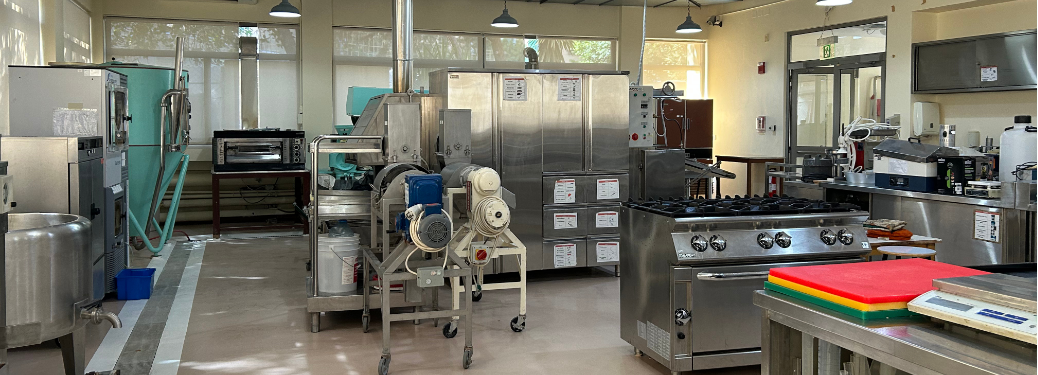
    This facility offers hands-on training in food processing, preservation, and product development. Equipped for canning, drying, fermentation, freezing, and packaging, it mirrors real-world production environments and supports applied research in food innovation and safety. The facility is a vital resource for education, research, and entrepreneurship, empowering students to transform agricultural products into market-ready foods.
    Food Microbiology Lab (407/409/411)
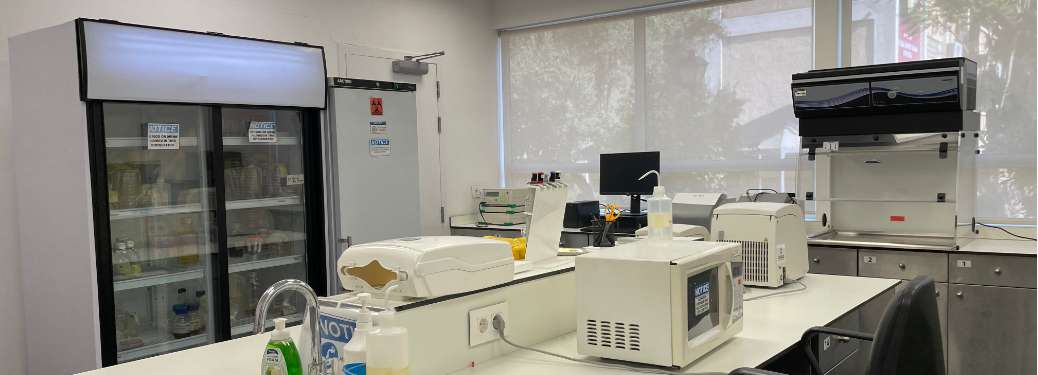
    At the forefront of food safety and public health, the Food Microbiology Lab advances research on foodborne pathogens, antimicrobial resistance, and contamination control. Equipped with cutting-edge technologies including real-time PCR, gene sequencing, and fluorescent microscopy, the lab supports groundbreaking research, industry collaboration, and hands-on student training. It plays a central role in safeguarding the national food supply and developing Lebanon’s next generation of food safety professionals, bridging laboratory science with real-world impact.​


    ​​​Iodine Lab (429)
    A regional reference point for iodine research and monitoring, the Iodine Lab conducts essential analyses of iodine levels in urine, salt, and food products. Equipped with automated chemistry and fluorescence systems, the lab supports national and international efforts to combat iodine deficiency disorders. Its impact extends beyond academia—informing nutrition policies and contributing directly to the protection of population health across Lebanon and the region.
    NFSC Graduate Students Laboratory (423)
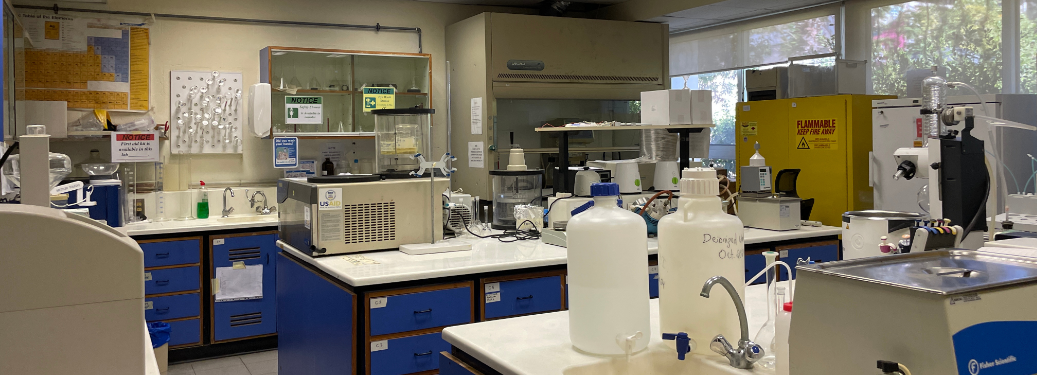
    This lab empowers graduate students to conduct research on food composition, quality, and stability. Through advanced instruments such as bomb calorimeters, spectrophotometers, and rotary evaporators, it supports diverse projects in food analysis. The facility fosters scientific curiosity, rigorous methodology, and skill development, helping students contribute to advancements in food science, nutrition, and sustainability. The lab includes Rancimat, a machine that assesses the stability of oils and fats. 

    NFSC Undergraduate Students Teaching Lab (431)
    Central to experiential learning in food and nutrition sciences, this teaching lab provides students with practical training in nutrient analysis and food evaluation. Equipped with industry-standard instruments for chemical and physical analyses, it bridges theory with application, thus preparing students for professional roles in quality control, food production, and research. The lab cultivates analytical thinking, forming the foundation for scientific excellence among future food and nutrition experts.​

    Nutrition Metabolic Lab (410)
    Dedicated to understanding the link between nutrition, exercise, and metabolism, the Nutrition Metabolic Lab enables researchers to measure human energy balance, metabolic rates, and body composition. Featuring advanced equipment, such as metabolic carts, infusion systems, and body analyzers, it provides an integrated space for human nutrition research and education. The lab is dedicated to advancing evidence-based approaches to health and performance, empowering students and scientists to shape the future of metabolic, clinical, and sports nutrition.

    Rheology Lab (430)
    The lab's primary function is to investigate and assess the viscosity and flow properties of food products, cosmetics, and pharmaceuticals to ensure they meet quality and labelling standards; and conduct rheology on packaging materials to test for migration or permeability. Furthermore, it serves as an educational hub, training students and fostering interdisciplinary collaboration among researchers. 
    ​Sensory Lab
    The Sensory Lab enables the systematic evaluation of food quality and consumer acceptance. With dedicated sensory booths, preparation spaces, and analytical software, it supports teaching and research in sensory evaluation and product development. The lab helps bridge the gap between scientific innovation and consumer preferences, an essential step toward creating nutritious, appealing, and sustainable food products.
    ​​ 

    ​​​

Contact Us

For various questions, please try contacting us via social media first!
read more

Privacy Statement

We take data privacy seriously and adhere to all applicable data privacy laws and regulations.
read more

Copyright and Disclaimer

Written permission is needed to copy or disseminate all or part of the materials on the AUB website.
read more

Title IX, Non-Discrimination, and Anti-Discriminatory Harassment

AUB is committed to providing a safe and respectful environment to all members of its community.
read more